What Is LTL Shipping? A Clear Guide to Less-Than-Truckload Freight
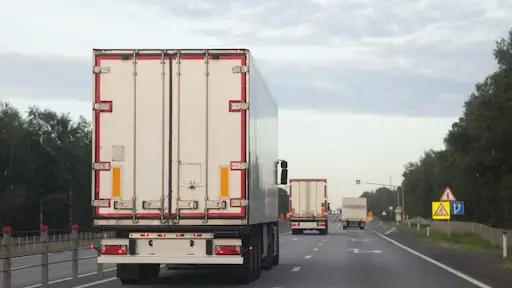
Less-than-truckload (LTL) shipping is a freight transportation method designed for shipments that do not require an entire trailer. Instead of paying for a full 53-foot truck, shippers only pay for the portion of space their freight occupies. This makes LTL a cost-effective and flexible option for moving smaller loads.
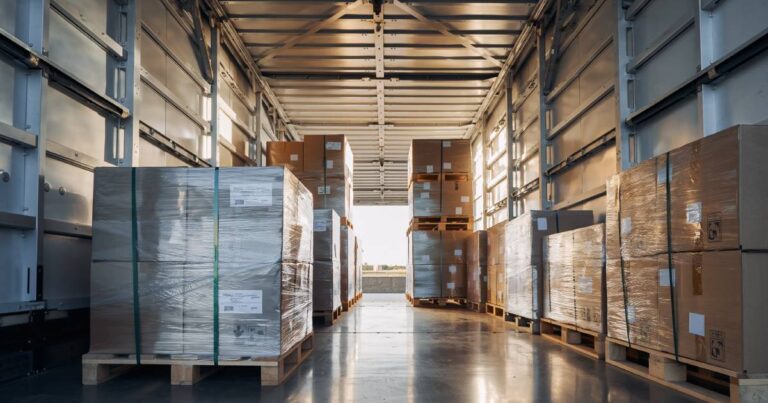
In practice, multiple shippers share space on the same vehicle, allowing freight to move through a carrier’s network until it reaches its final destination.
LTL Shipping Explained: How the Hub-and-Spoke Network Works
To better understand LTL shipping, it helps to think in terms of a hub-and-spoke network.
Think of the LTL shipping process like checking luggage on a flight: individual shipments from different companies are grouped together to travel the same route, yet every piece is tracked and handled separately. To make this possible, LTL freight moves through a structured network:
- Pickup: A local driver collects freight from multiple shippers and brings it to a local terminal.
- Consolidation: The shipments are sorted and combined with other freight heading in the same general direction.
- Linehaul: The consolidated trailer travels to a regional hub or distribution center.
- Final Delivery: The freight is sorted again and loaded onto a local truck for delivery to the final destination.
This shared approach maximizes efficiency and keeps costs significantly lower than full truckload (FTL) shipping, where a single shipper must pay for the entire trailer regardless of how full it is.
When to Use Less-Than-Truckload (LTL) Shipping
LTL shipping is best suited for mid-sized freight that does not justify a full truckload. Common guidelines include:
Weight: Typically between 150 and 15,000 pounds
Size: Generally one to six pallets. Shipments exceeding 10 to 12 pallets often move more efficiently as full truckload freight
Delivery Flexibility: LTL transit times are usually estimated rather than guaranteed due to multiple stops along the route
Businesses often choose less-than-truckload shipping when shipment volumes fluctuate or when inventory needs to move without waiting to fill an entire truck.
Ready to ship your products? Learn more about LTL shipping with A. Duie Pyle.
The Clear Cost Benefits of Less-Than-Truckload Shipping
One of the primary reasons shippers choose LTL freight shipping is cost efficiency. Key benefits include:
Pay Only for the Space You Use
With LTL shipping, costs are based on shipment size, weight, freight class, and distance. You avoid paying for unused trailer space, which can significantly reduce transportation spend.
Access to Value-Added Services
LTL carriers commonly support accessorial services such as liftgate delivery, inside delivery, residential delivery, and appointment scheduling. These services are widely available and can be added as needed.
Scalability and Flexibility
LTL shipping allows companies to move freight as demand requires. This flexibility supports leaner inventory strategies and helps align shipping costs with actual business activity.
By matching shipment size to the appropriate mode, LTL shipping turns transportation from a fixed expense into a scalable pay-as-you-go solution.
Why LTL Freight Shipping Is a Smart Choice
Understanding LTL shipping helps businesses make smarter logistics decisions and informs their overall supply chain strategy. LTL provides an efficient way to move freight without the cost commitment of a full truckload, making it ideal for growing businesses and established shippers alike.
At A. Duie Pyle, LTL freight shipping is designed for shippers who value consistency and damage-free performance. With a Service First infrastructure, freight is handled by a single, dedicated team from pickup through delivery.
Request an LTL quote or connect with our team to discuss how less-than-truckload shipping can support your supply chain strategy.
You May Like

A. Duie Pyle Named TMSA Trailblazer Award Winner!
2022 was a big year for our expansion across the region! That was highlighted by the opening of three new facilities across the Commonwealth of Virginia. This venture was no small undertaking, as the locations

Cheers! A. Duie Pyle is Now Offering Next-Day Service and Freeze Protection to Alcohol Distributors Throughout the Northeast.
The Northeast U.S. is a bustling region – and not just on the roadways. Densely populated and home to some of biggest & best cities in the world for sports, entertainment and dining, it is