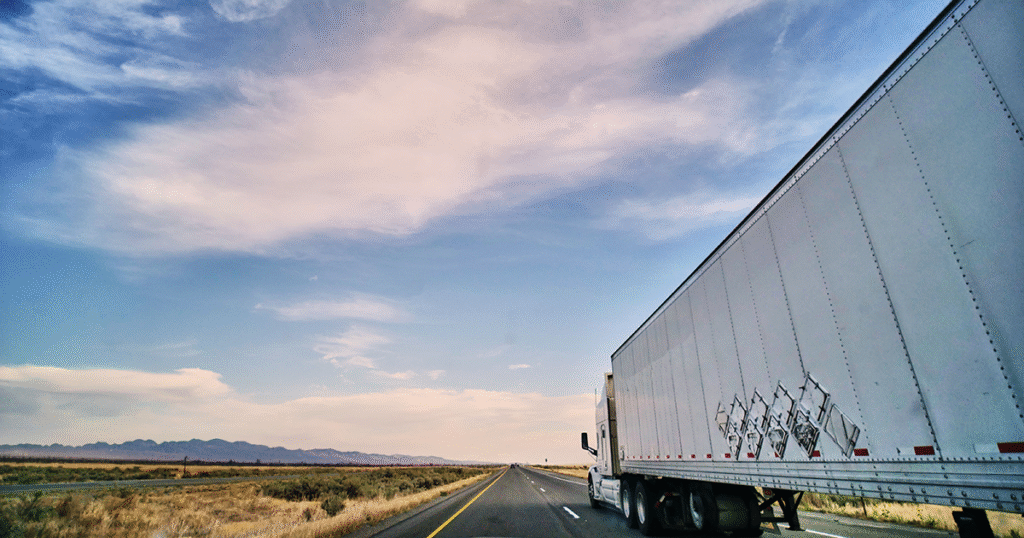
What is FTL Freight? Full Truckload Shipping Explained
Full truckload (FTL) freight shipping is a transportation method designed for shipments that require the exclusive use of an entire 53-foot trailer. Instead of sharing space with other freight, FTL shipments move on a dedicated trailer from pickup to delivery without intermediate stops.
As businesses grow, shipments often become larger, more frequent, and more time-sensitive. In those cases, FTL shipping offers greater control, faster transit, and reduced handling compared to shared freight options.
How Full Truckload Shipping Works
With FTL shipping, the trailer is loaded once at the origin and remains dedicated to that shipment until it reaches its destination. Even if the trailer is not completely full, it stays exclusively assigned to one shipper.
This direct, point A to point B movement sets full truckload shipping apart from less-than-truckload (LTL) freight, where shipments are consolidated with others and routed through terminals along the way.
The “Point A to Point B” Advantage
One of the biggest advantages of full truckload shipping is the direct route. Unlike LTL freight, which is transferred between hubs and terminals, FTL freight moves straight to its destination.
After pickup, the trailer is sealed and remains closed until it reaches the delivery location. Fewer stops and no terminal handling reduce transit time and lower the risk of damage or disruption along the way.
When Should You Choose Full Truckload Freight Shipping
While cost is always a consideration, FTL freight is often the right choice in several key scenarios:
High Volume Shipments
FTL shipping is usually more efficient for shipments of 10-12 pallets or more. At that point, paying for the entire trailer can be more cost-effective than paying per pallet in an LTL network, while keeping the shipment as a whole together.
Time Sensitive Freight
Because full truckload shipments move directly without intermediate stops, transit times are faster and more predictable. This makes FTL shipping ideal for freight with strict delivery windows or must-arrive-by dates.
For shippers moving consistent volumes, dedicated FTL lanes can also support more predictable pricing, capacity, and scheduling.
High-Value or Fragile Goods
FTL freight is loaded once and handled less throughout transit. Minimal handling reduces the risk of damage and loss, making full truckload shipping a strong option for high-value, fragile, or sensitive products.
Why Full Truckload Shipping Matters
Understanding when to use full truckload shipping helps businesses balance speed, capacity, and control as shipping needs grow. While LTL shipping works well for smaller shipments, FTL freight supports high-volume supply chains that require reliability and control.
At A. Duie Pyle, truckload shipping is built to support shippers who need flexible capacity, reliable coverage, and direct point-to-point service. Whether moving spot loads or establishing consistent lanes, truckload solutions are designed to keep freight moving efficiently as demand changes.
Connect with the team to discuss how full truckload shipping can support your supply chain strategy.
Connect with our
Supply Chain Experts
You May Like

A. Duie Pyle Named TMSA Trailblazer Award Winner!
2022 was a big year for our expansion across the region! That was highlighted by the opening of three new facilities across the Commonwealth of Virginia. This venture was no small undertaking, as the locations

Cheers! A. Duie Pyle is Now Offering Next-Day Service and Freeze Protection to Alcohol Distributors Throughout the Northeast.
The Northeast U.S. is a bustling region – and not just on the roadways. Densely populated and home to some of biggest & best cities in the world for sports, entertainment and dining, it is