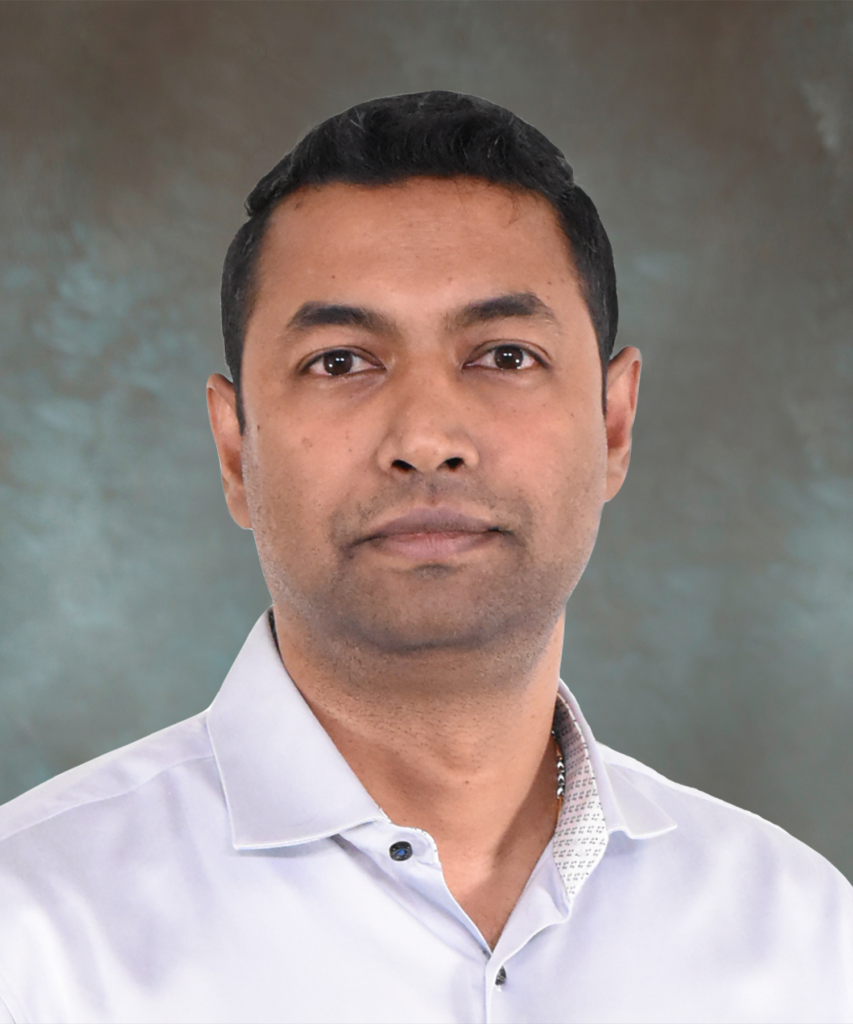
Raman Ranganathan
Tell us more about your background – how did you get started in the transportation industry?
My career has always centered around showcasing technology as a business partner by addressing real business problems. One consistent theme in my career has been stepping into new industries and embracing the challenge of learning a new domain. From automotive services to energy and utilities to senior living referral, each move required deep curiosity and the ability to translate technology into business value.
The transportation industry is a complex, operationally driven environment, and system stability is a major factor. Technology directly impacts our customers every day, and that responsibility is what drew me in.
What about Pyle made you want to work for this company?
The culture and long-term mindset. As a family-owned company, decisions are made thoughtfully and strategically. My philosophy is to build systems that are simple, scalable, and secure. Pyle values that kind of disciplined, practical approach to technology.
I’ve always believed in leaving things better than what you inherited, whether that’s systems, teams, or processes. There’s a commitment here to continuous improvement, operational excellence, and doing the right thing for customers and employees.
I was also energized by the opportunity to apply modern digital strategies in a new industry once again, proving that with the right people, process, and architecture, technology can be a true difference maker. That alignment made the decision easy.
Describe your role at Pyle.
As CTO, I expect us to align our technology strategy with our business strategy. My focus is on making sure our systems support growth, operational reliability, and provide great customer service.
I believe in balancing people, process, and technology. Great systems don’t work without great teams and clear processes. A big part of my role is building strong internal talent and creating an environment where our teams can technically grow and lead.
Technology is changing rapidly across the supply chain. What technology trends do you believe will have the biggest impact on transportation and logistics over the next five years?
AI and advanced analytics will significantly improve forecasting, routing, and data-driven decision-making. Real-time visibility and deeper system integration will continue to shape customer expectations over the next several years.
Also, cybersecurity will always remain critical, and with AI, it only gets that much more interesting. As we become more digital, protecting our systems and customer data is foundational.
The key is adopting innovation thoughtfully through the lens of simplicity, scalability, and security.
At Pyle, how does your technology team support customer service and operational reliability, and what does “good technology” look like from a customer’s perspective?
We focus first on reliability. If systems aren’t stable and secure, nothing else matters.
Our team works closely with operations to make sure our tools match real-world workflows. Good technology, from a customer’s perspective, is simple — shipments move on time, tracking is accurate, and doing business with Pyle is easy. When technology just works, we’ve done our job.
What achievement are you most proud of in your career?
Two things I’m most proud of in my career.
First, my goal and leadership philosophy have always been to leave an organization stronger than when I joined it. I believe I’ve done that by driving stability, growth, and real business value.
Second, the teams I’ve built and the leaders I’ve helped develop. I’ve been fortunate to learn from exceptional leaders throughout my career, and equally fortunate to help mentor and positively impact talented teammates who have gone on to do great things in their own right.
Technology matters, but people are what create lasting impact.