How to Choose Between FTL and LTL Shipping: Insights from A. Duie Pyle’s Craig Lough
A. Duie Pyle’s Craig Lough was featured in an article with Supply Chain 24/7, offering guidance on how shippers can choose between full truckload (FTL) and less-than-truckload (LTL) shipping.
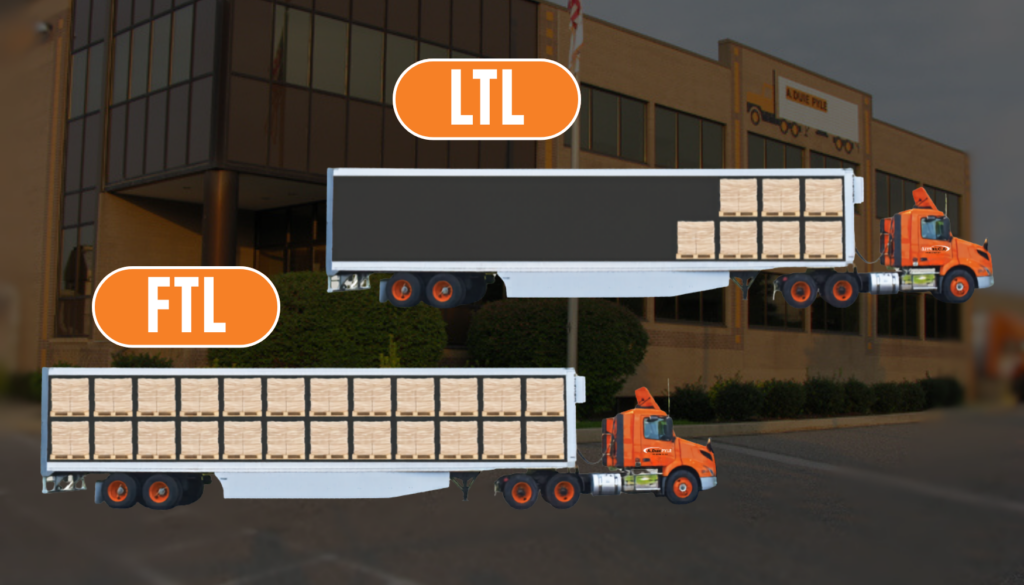
The article outlines the key factors that should drive mode selection, including shipment size, delivery speed requirements, and the sensitivity of freight to handling. Lough explains that FTL is often the best fit for larger, time-sensitive shipments that require minimal handling, while LTL provides a more flexible and cost-efficient option for smaller shipments that do not require a full trailer.
The byline also highlights the importance of understanding how freight moves through the network. Reducing unnecessary handling and aligning the shipping mode to the specific needs of the freight can help improve consistency, protect product integrity, and support more reliable delivery performance.
At A. Duie Pyle, this approach is supported by a flexible transportation model that allows customers to select the most effective mode for each shipment while maintaining control and visibility across their supply chain.
For organizations evaluating how to optimize their transportation strategy, the article provides practical guidance on when to use FTL, when LTL is the better fit, and how each supports overall shipping performance.
Read the full article here.
You May Like
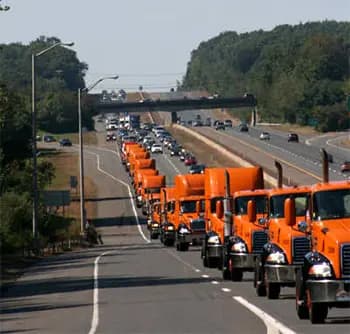
A. Duie Pyle Navigates NYC
On this episode I was joined by John Luciani of A. Duie Pyle. Pyle is a transporation and logistics company providing LTL, FTL and warehousing services based in the Northeast of the United States. John is the
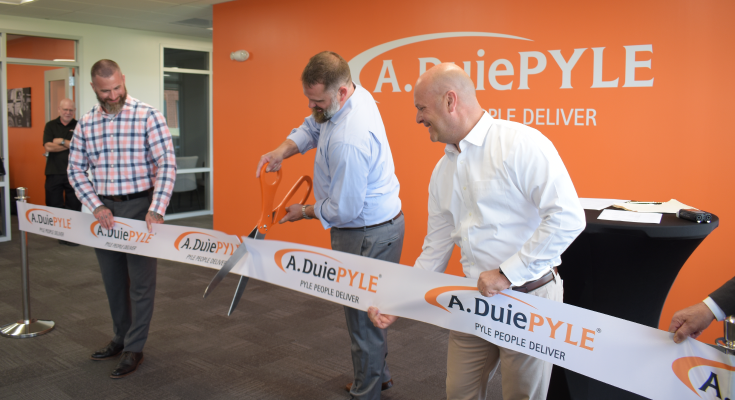
A. Duie Pyle Holds Ribbon-Cutting Ceremony for New Brokerage Office in Mechanicsburg
MECHANICSBURG, PA — A. Duie Pyle (Pyle) this week held a ribbon-cutting ceremony and open house to introduce local government officials, area business leaders and the company’s customers to its revamped brokerage division in Mechanicsburg, Pennsylvania. Read Full